Moscow Talks Stall Over Joint Statement
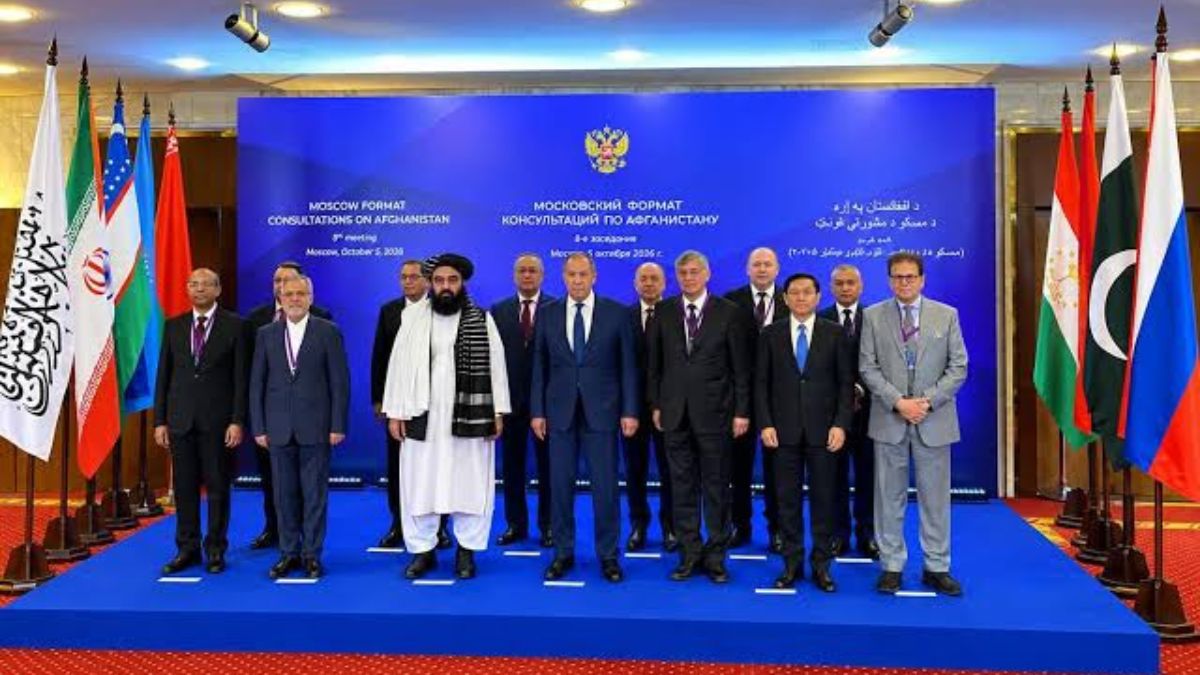
The eighth Moscow Format summit on Afghanistan concluded without a joint communique, a first in the series, as Pakistani and Afghan delegations could not reconcile their positions on terrorism language. The stalemate underscores a deepening rift that threatens broader regional consensus.
Key Disagreements and ICC Warrant Unveiled
- Pakistan and Afghanistan failed to agree on wording that would avoid labeling Afghanistan as a terrorist state.
- Afghan Taliban Foreign Minister Amir Khan Muttaqi accused Islamabad of using leverage tactics, while Pakistan cited rising attacks from Afghan soil.
- Russian envoy Zamir Kabulov offered mediation but clarified the Format’s focus is not bilateral disputes.
- The ICC unsealed arrest warrants for Afghan ministers Habibullah Agha and Neda Nadeem over gender‑based persecution.
- The meeting also saw Russia warning against NATO military infrastructure in Afghanistan.
The Moscow Format: A Decade of Afghan Diplomacy
Since its inception in 2016‑17, the Moscow Format has served as a regional diplomatic track, bringing together 10 countries and two guests to discuss Afghanistan’s political future. It has repeatedly facilitated dialogue between the Taliban and neighboring states, but the current impasse marks a significant shift, reflecting the erosion of trust that began after the 2021 Taliban takeover.
Regional Stability at Risk as Bilateral Rift Deepens
With the joint statement deadlocked, regional actors may seek alternative forums, while the ICC warrants could prompt further international pressure on the Taliban. Russia’s willingness to mediate signals a potential pivot, yet the unresolved Pakistan‑Afghanistan dispute risks spilling into broader security concerns, including cross‑border terrorism and refugee flows.