Shehbaz Condemns Houthi Attacks, Reaffirms Pact
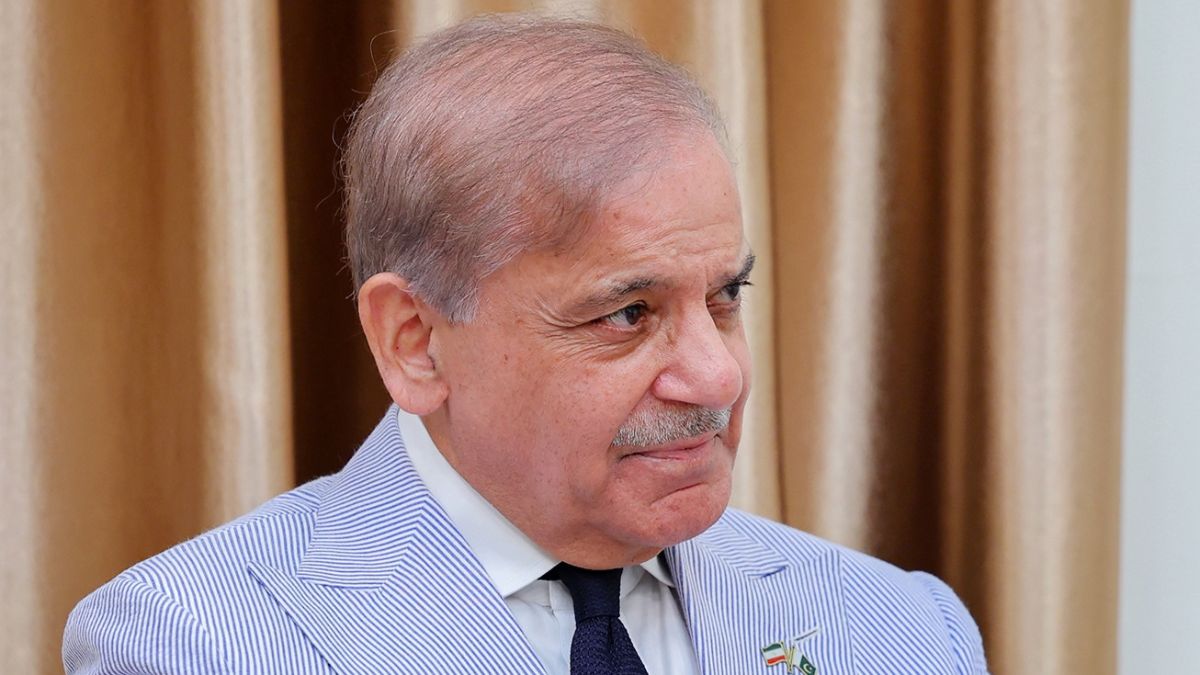
Pakistan’s Prime Minister Shehbaz Sharif condemned the latest Houthi missile strikes on Saudi Arabia’s King Khalid International Airport and Abha International Airport, reaffirming Islamabad’s commitment under the Makkah Defence Alliance.
Key Updates on the Makkah Defence Alliance
- Shehbaz Sharif publicly denounced the attacks and urged the Houthis to cease hostilities.
- He praised Saudi forces for intercepting ballistic missiles and highlighted the alliance’s collective deterrence principle.
- Pakistan reaffirmed its support for Saudi sovereignty, territorial integrity, and right to self‑defence.
- The Makkah Defence Alliance, signed on August 7, includes Turkey and aims to treat an attack on one member as an attack on all.
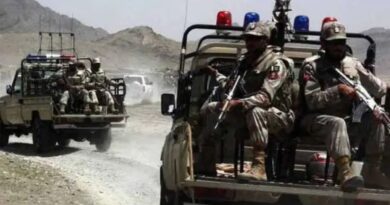
- Pakistan has pledged rapid deployment of forces and diplomatic backing if the situation escalates.
Background: The Makkah Pact and Yemen Conflict
The Makkah Defence Alliance emerged amid escalating Houthi attacks on Saudi infrastructure and a maritime blockade of the Red Sea. Signed by Pakistan, Saudi Arabia, and Turkey, the pact formalises a collective security framework that obliges members to support one another against external threats. The alliance follows a series of high‑profile statements by Pakistani officials, including Defence Minister Khawaja Asif and ISPR Director General Lt‑Gen Ahmed Sharif Chaudhry, underscoring Islamabad’s unwavering stance on Saudi security.
Future Implications for Regional Stability
Pakistan’s firm stance signals a potential shift in Gulf security dynamics, with Islamabad positioning itself as a reliable partner for Saudi Arabia. The alliance could prompt increased military coordination and joint exercises, while diplomatic efforts may intensify to curb Houthi aggression. Should the Houthis persist, Pakistan’s readiness to deploy forces could alter the balance of power in the region, potentially deterring further attacks and reinforcing collective deterrence among the pact members.