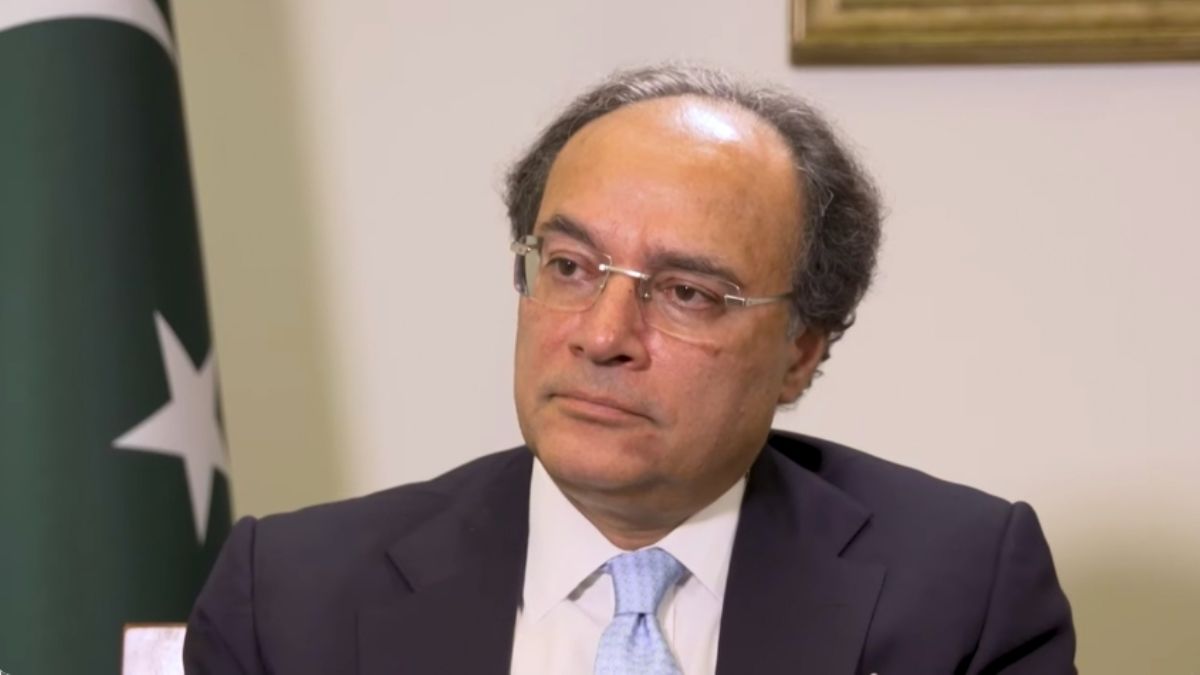
Pakistan’s finance minister, Muhammad Aurangzeb, said that attacks on Gulf energy infrastructure amid the US‑Israel‑Iran conflict could derail the country’s economic recovery, even though domestic supply has remained stable so far.
Key Energy‑Market Updates
- Pakistan has secured enough fuel to last through November and is planning for the winter surge.
- No shortages or fuel‑station queues have been reported, and the government will avoid expensive spot LNG purchases unless absolutely necessary.
- Global oil and gas prices have spiked due to the Iran war and Houthi attacks on Saudi facilities.
Context: Gulf Conflict and Pakistan’s Fiscal Strategy
Since February, Tehran’s retaliation has disrupted Gulf oil supplies, prompting the IMF to urge fiscal consolidation across vulnerable economies. Pakistan, in its 25th IMF programme, has already tightened its fiscal stance, boosting tax revenue and targeting tax‑evasion by private firms. The finance ministry faces pushback from industry lobbyists but remains committed to reforms.
Implications for Pakistan’s Economy and IMF Relations
If Gulf infrastructure continues to suffer, Pakistan’s return to normalcy could be delayed, potentially affecting its ability to draw from the IMF’s $7 billion Extended Fund Facility and $1.4 billion Resilience Facility. The minister’s engagement with the World Bank and IMF officials signals a continued push to secure funding while maintaining fiscal discipline.