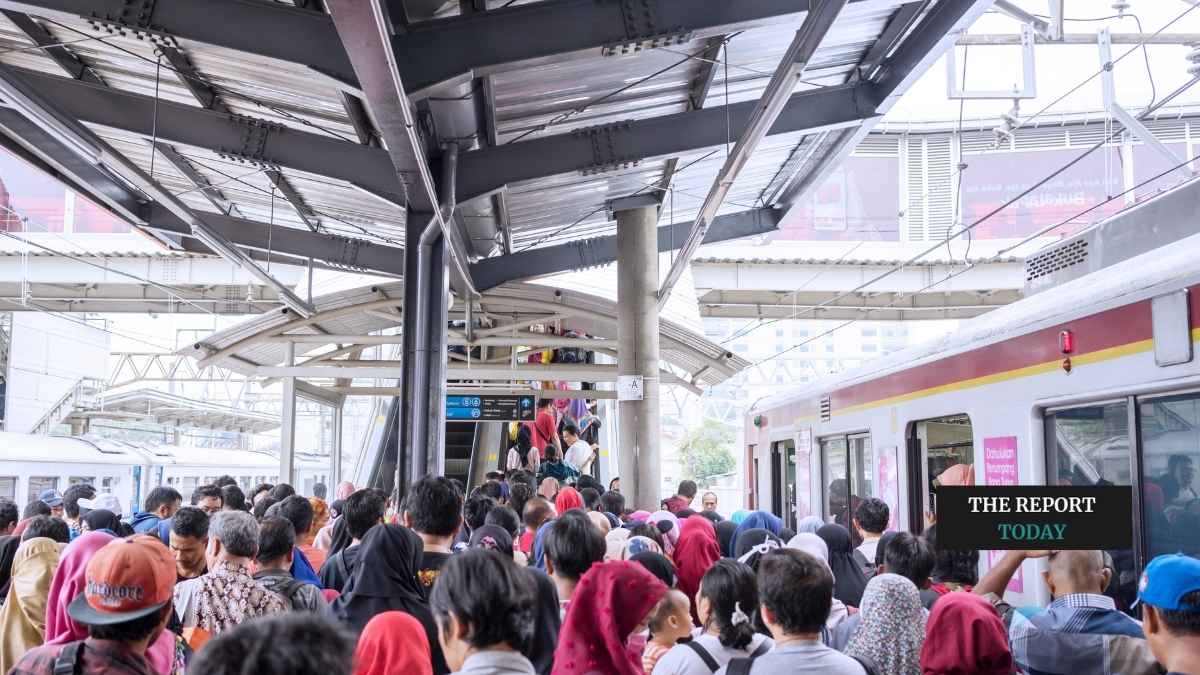
Public transport accounts for less than 1% of daily commuters, while private vehicles dominate the mobility index. Experts are urging a shift toward a bus‑led transport policy to address congestion and environmental concerns.
Core Facts at a Glance
- Public transit usage falls below 1% of commuter traffic.
- Private vehicles hold the majority share in the mobility index.
- Policy experts advocate a bus‑centric transport strategy.
Why the Numbers Matter
The mobility index, a benchmark for transportation efficiency, has increasingly skewed toward private cars over the past decade, amplifying traffic congestion and carbon emissions in urban centers. The negligible share of public transit reflects limited investment in bus infrastructure, inadequate service frequency, and a cultural preference for personal vehicles. Historically, cities that have prioritized bus networks—such as Bogotá’s TransMilenio—have seen measurable reductions in travel time and emissions, underscoring the potential benefits of a bus‑led approach.
What Comes Next for Urban Mobility
Should policymakers heed the experts’ call, we could see a surge in public‑bus funding, dedicated lanes, and integrated fare systems. Such moves would likely shift commuter behavior, reduce private car usage, and lower urban emissions, thereby improving air quality and easing congestion. In the broader economic context, a robust bus network can spur job creation in construction, operations, and technology sectors, while also enhancing accessibility for lower‑income residents.