
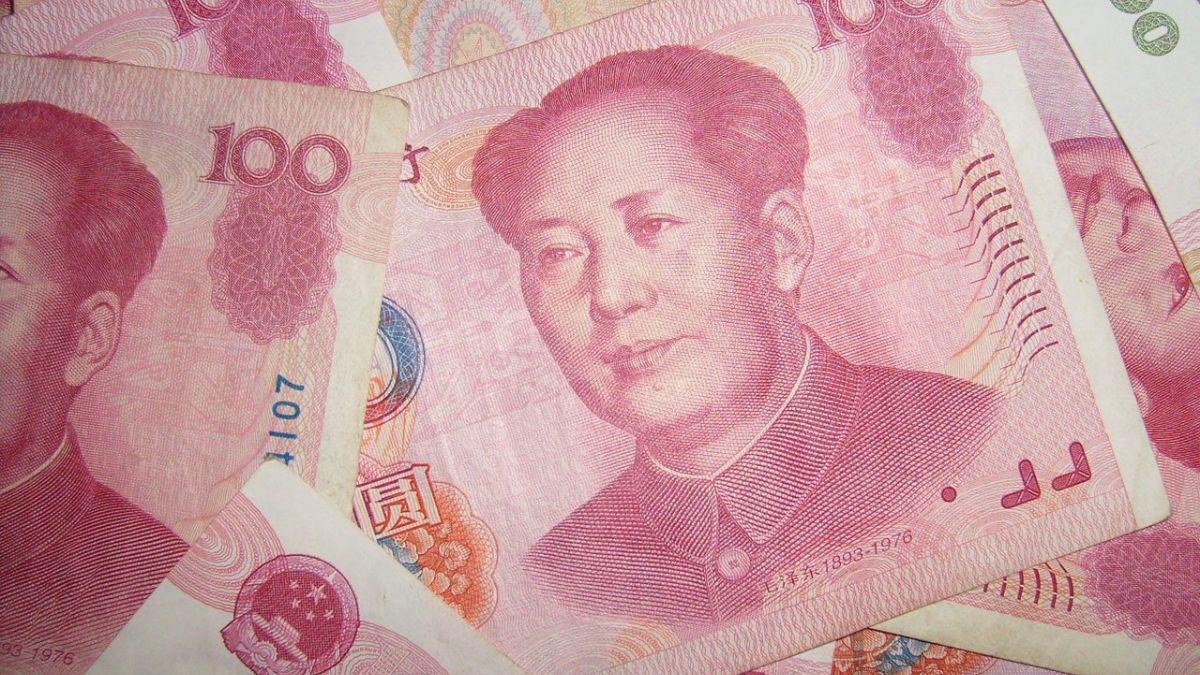
China Denies Yuan Undervaluation Claims
China’s central bank has dismissed accusations that the yuan remains undervalued, underscoring a long‑term shift toward market‑driven exchange rate dynamics.
PBOC Highlights Market‑Driven Yuan Path
- The People’s Bank of China (PBOC) cites progressive reforms since the 1990s that have gradually increased market influence over the yuan.
- Reform milestones include the 2005 liberalization of the cross‑border settlement system and the 2015 introduction of a managed float.
- In 2018, China added the yuan to the IMF’s Special Drawing Rights basket, signaling greater global confidence.
- Recent policy tweaks aim to reduce intervention while maintaining macroeconomic stability.
- The PBOC maintains that these measures have steadily strengthened the yuan’s exchange‑rate mechanism.
From 1990s Reform to Today: Yuan’s Evolution
Since the early 1990s, China has phased out a fixed peg in favor of a managed float, allowing domestic supply and demand to play a larger role. The 2005 reforms opened cross‑border settlement, while the 2015 managed‑float regime introduced a daily reference rate. The 2018 inclusion in the IMF’s SDR basket marked a milestone, boosting international trade and investment flows. These cumulative steps reflect China’s strategy to balance economic growth with currency stability.
Implications for Global Markets and Investor Sentiment
By affirming a market‑driven yuan, China signals to global investors that the currency will continue to respond to macroeconomic fundamentals, potentially easing concerns over sudden devaluation. The move may influence trade dynamics, especially for exporters and importers sensitive to exchange‑rate volatility. Moreover, it could affect capital flows, as foreign investors reassess risk premiums on Chinese assets. In the broader context, the PBOC’s stance may prompt other emerging markets to pursue similar reforms, reshaping the global currency landscape.