Mazzoli’s Lincoln Debuts at Met Opera
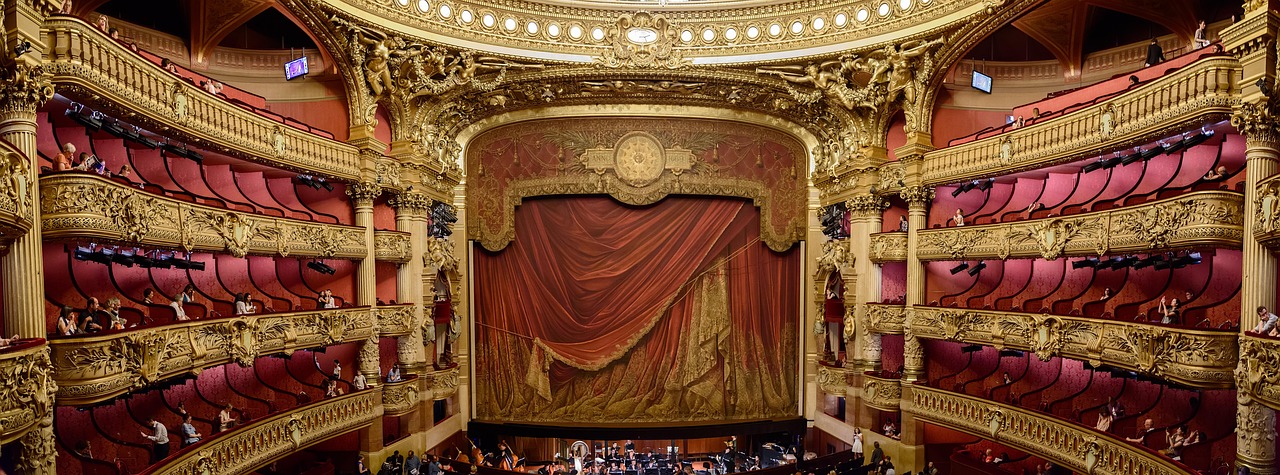
Missy Mazzoli, the young composer who has already earned a reputation for blending contemporary musical idioms with bold political themes, made her Metropolitan Opera debut this fall with the premiere of her opera Lincoln in the Bardo. The production, staged by the Met’s resident director, brought to life a work that is as intellectually provocative as it is emotionally resonant.
Born in 1979 in New York City, Mazzoli studied at the Juilliard School and later earned a Ph.D. in composition from Columbia University. Her early works, such as the chamber opera Red Light and the orchestral piece Riot, showcased her penchant for integrating diverse musical styles—from jazz and hip‑hop to minimalism—into a cohesive narrative voice. Critics have praised her ability to translate complex historical and social issues into accessible musical language, a skill that shines in Lincoln in the Bardo.
The opera itself is based on George Saunders’ novel of the same name, which imagines President Abraham Lincoln’s experience in the afterlife during the Civil War. Mazzoli’s score navigates the liminal space between the living and the dead, employing a mix of traditional operatic vocal techniques and contemporary electronic textures. The libretto, written by Mazzoli in collaboration with playwright and librettist Mark Morris, weaves together scenes of political intrigue, personal grief, and supernatural encounters.
From the opening bars, the audience is drawn into a sound world that feels both familiar and unsettling. The Met’s production team used a minimalist set design that emphasizes the psychological landscape of the opera, allowing the music to take center stage. The cast, featuring a seasoned baritone in the role of Lincoln and a young mezzo‑soprano as the ghostly narrator, delivered performances that were both technically precise and deeply moving.
Critics have lauded the opera for its daring thematic choices and its relevance to contemporary discussions about race, governance, and memory. While some reviewers noted that the narrative’s complexity might challenge traditional opera-goers, many praised Mazzoli’s ability to make the story accessible through her evocative musical storytelling.
With this debut, Mazzoli has cemented her place among the most exciting contemporary composers in the operatic world. Her work not only pushes the boundaries of the genre but also invites audiences to reflect on the enduring impact of history and the power of art to interrogate it.