Pakistan, IMF Agree on $1.2B Loan
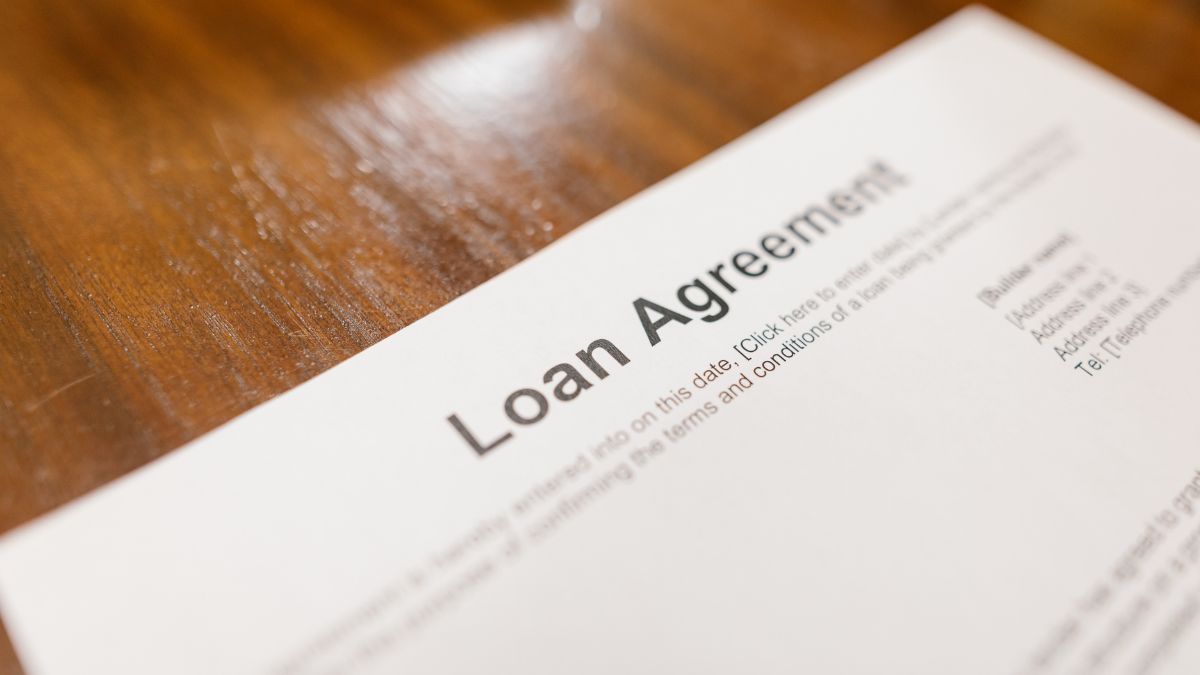
Pakistan and the IMF have reached a staff‑level agreement for a $1.2 billion loan, with Islamabad pledging to phase out its fuel‑subsidy program and tighten oversight of state‑owned enterprises.
Key Terms of the Staff‑Level Deal
- Loan amount: $1.2 billion, subject to IMF board approval.
- Fuel‑subsidy phase‑out: immediate implementation of a structured withdrawal plan.
- Governance reforms: new oversight mechanisms for state‑owned companies to improve transparency and efficiency.
Why Pakistan’s IMF Negotiations Matter
Pakistan has been in talks with the IMF for several years, seeking financial support to shore up a fragile fiscal balance and curb inflation. The fuel‑subsidy program has long been a drag on public finances, costing the government billions annually. Strengthening governance of state‑owned enterprises—many of which are major contributors to the national debt—aligns with IMF’s emphasis on structural reforms. The staff‑level agreement signals a willingness on both sides to move forward, potentially unlocking the full $1.2 billion package once the IMF Executive Board ratifies the terms.
What Comes Next for Pakistan’s Economy
If the IMF board approves, the loan will be disbursed in tranches, providing much‑needed liquidity for the central bank and the government. The phased removal of fuel subsidies is expected to reduce fiscal outlays, while improved corporate governance could attract foreign investment and lower borrowing costs. However, the transition will require careful management to avoid short‑term price shocks and maintain social stability. Market watchers will closely monitor how the reforms reshape Pakistan’s fiscal trajectory and investor sentiment in the coming months.