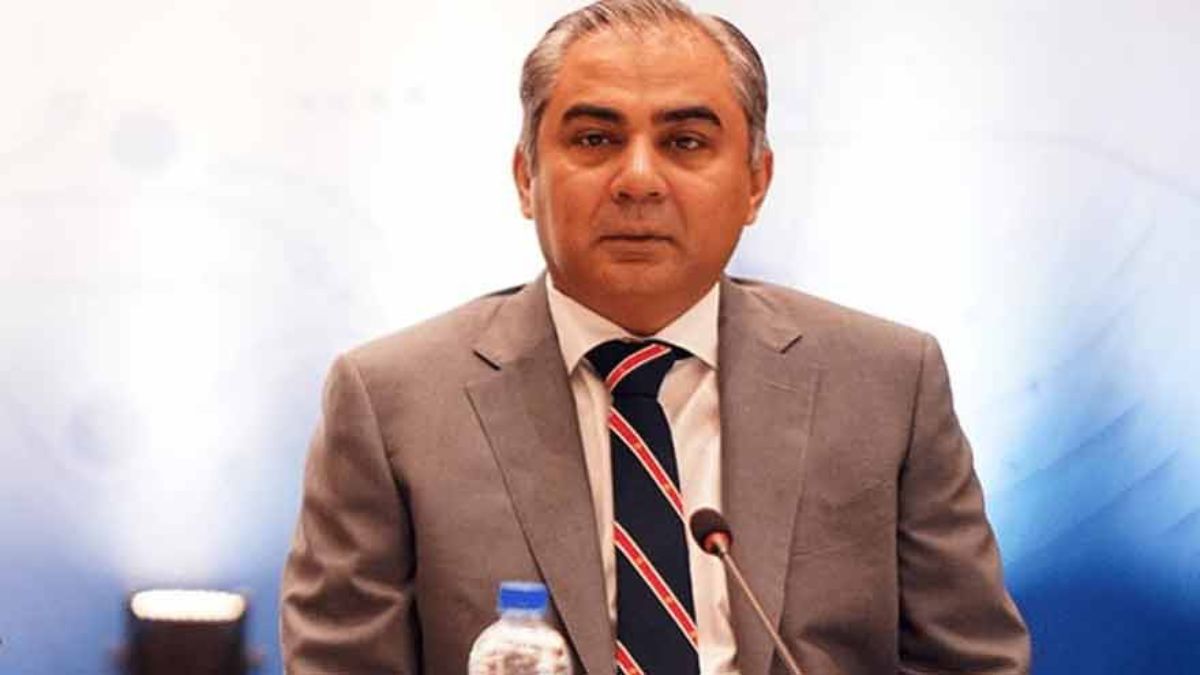
Interior Minister Mohsin Naqvi reaffirmed Islamabad’s unwavering mediation in the US‑Iran standoff during the 8th Global Security Forum in Doha. He highlighted the country’s persistent peace‑building efforts and key figures who kept talks alive.
Pakistan’s Quiet Diplomacy in Action
- Naqvi has led several trips to Tehran, pushing for dialogue since the war erupted.
- Field Marshal Syed Asim Munir, Pakistan’s Chief of Army Staff, played a pivotal “remarkable” role in easing tensions.
- The June 18 Islamabad Memorandum of Understanding formally opened a channel between Washington and Tehran.
- At the Lake Lucerne Summit in Switzerland, Pakistani and Qatari mediators worked over 16 hours without a break.
- Qatar’s Prime Minister Mohammed bin Abdulrahman Al Thani joined forces with Munir to keep talks moving forward.
From Islamabad to Lake Lucerne: A Legacy of Mediation
Pakistan has long positioned itself as a bridge between rival powers, leveraging its strategic location and diplomatic ties. The country’s involvement in the US‑Iran dialogue echoes past successes, such as its role in the 2015 nuclear deal negotiations. The June 18 memorandum and the subsequent summit marked a rare moment of cooperation, underscoring Islamabad’s commitment to regional stability.
What Comes Next for Pakistan’s Mediation Role?
With the US‑Iran conflict showing signs of thaw, Pakistan’s diplomatic capital is set to rise. The nation could spearhead future confidence‑building measures, while its experience may attract other regional actors seeking neutral platforms. Continued engagement could reshape alliances and reinforce Pakistan’s status as a key player in Middle Eastern geopolitics.