
PTI Leader Says Only Imran Can Postpone March
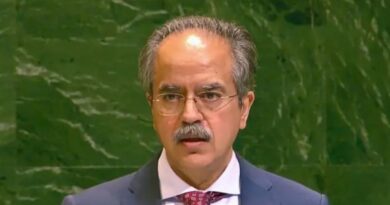
Only PTI founder Imran Khan can postpone the September 27 protest, according to Senate opposition leader Allama Raja Nasir Abbas. Abbas made the statement on Saturday, emphasizing that no individual or ministry can alter the date without Imran’s consent.
The PTI has called for a nationwide protest, including a long march to Islamabad, to demand the release of Imran Khan and to mobilise supporters for the supremacy of the Constitution. The protest is scheduled for September 27 and has drawn support from the Tehreek-i-Tahafuz-i-Ayin-i-Pakistan (TTAP) alliance, of which Abbas is a key leader.
In a post on X, Abbas said Interior Minister Mohsin Naqvi had approached him and confirmed that only Imran Khan could postpone the march. He added that the meeting was held on September 14 at the request of Naqvi and that Abbas, PTI Chairman Gohar Ali Khan, and TTAP spokesperson Akhunzada Hussain Ahmed Yousufzai were present. Abbas reiterated that the protest would proceed as planned unless a meeting with Imran Khan took place.
Government officials have warned that any attempt to disrupt the protest would be met with legal action. Naqvi declared that the authorities would stop anyone from marching towards the federal capital “in every possible way” and threatened contempt of court proceedings against violators of the Islamabad High Court ruling that protects citizens’ fundamental rights. The ruling stated that any activity infringing on constitutional rights is a violation of the Constitution.
Political leaders across the country have weighed in. TTAP leader Mohammad Zubair highlighted the gap between the ruling elite’s lifestyle and the economic hardships faced by ordinary citizens, citing rising inflation and electricity prices. PTI’s former KP finance minister Taimur Saleem Jhagra criticised government spending, questioning the purchase of a jet and other expenditures while urging relief for those affected by fuel price hikes.
The protest has become a focal point of political tension, with the government preparing security measures, including detaining activists and deploying anti‑riot gear. Meanwhile, opposition leaders continue to mobilise supporters, underscoring the protest’s significance as a demonstration of democratic rights and provincial autonomy.