Petrol Down, Diesel Up: Govt Price Shift
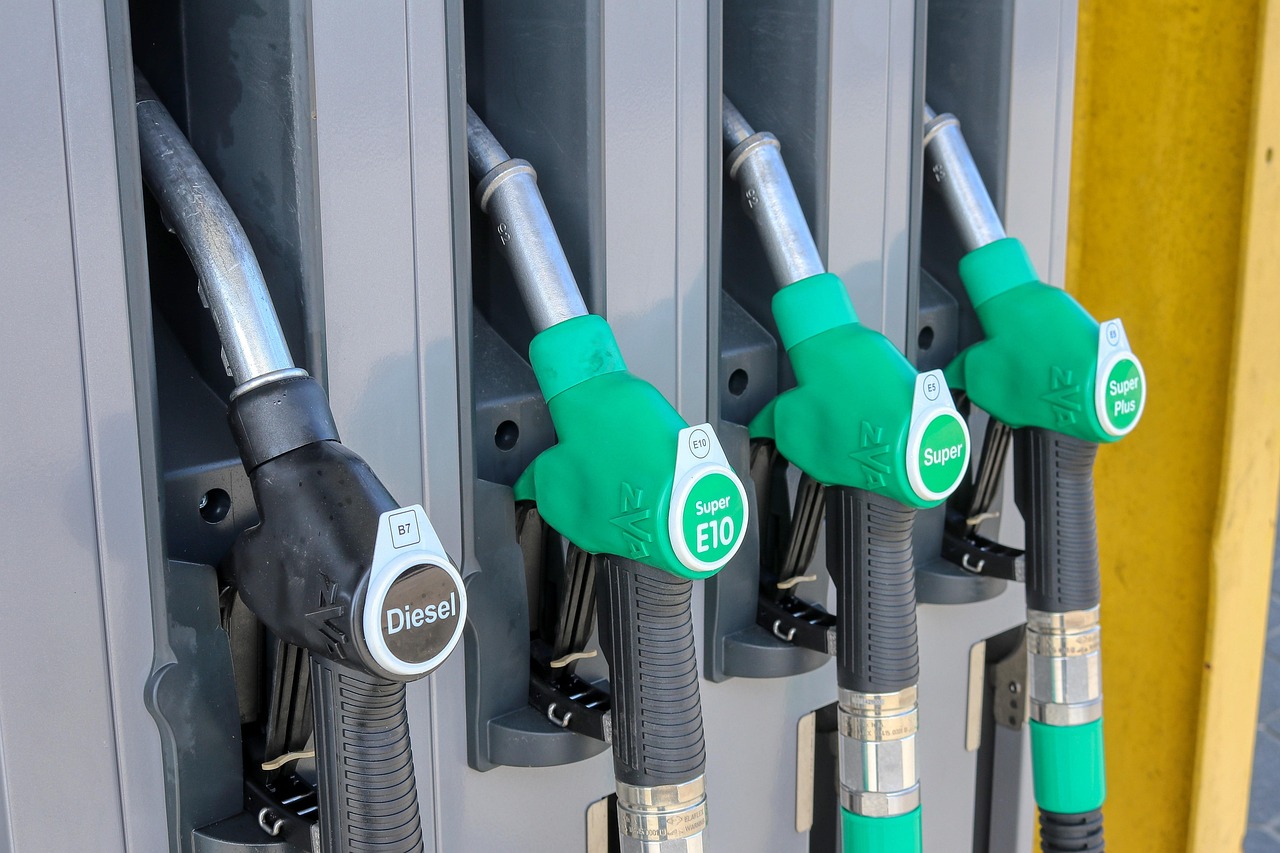
On September 18, the Pakistani government announced a revision of fuel prices that lowered the retail price of petrol by 43 paise per litre while increasing high‑speed diesel (HSD) by 3.47 rupees per litre. The new rates set petrol at 390.79 rupees and HSD at 424.92 rupees per litre, with taxes of 114 rupees for petrol and 100 rupees for diesel remaining unchanged.
The adjustment follows a trend of rising international crude prices, with the Oil and Gas Regulatory Authority citing global market rates, premiums, and other factors as the basis for the daily pricing mechanism. The government has shifted from weekly to daily revisions to better reflect volatile market conditions, a change formalised by Petroleum Minister Ali Pervaiz Malik in July.
Alongside the price tweak, the administration has re‑introduced austerity measures aimed at curbing fuel consumption. Markets are now required to close by 9 p.m., and official vehicle allocations have been cut by 50 percent for a three‑month period. These steps are part of a broader strategy to manage the fiscal impact of fuel price volatility.
Prime Minister Shehbaz Sharif announced a relief scheme on September 13 targeting two‑ and three‑wheelers and vehicles up to 800 cc. Owners of motorcycles and autos receive 100 rupees per litre in monthly quotas of 20 litres, while owners of 800‑cc vehicles receive the same relief on a 30‑litre quota. The scheme is designed to offset the burden of higher global oil prices on lower‑income commuters.
The daily pricing policy, overseen by the Oil and Gas Regulatory Authority, was introduced after renewed tensions between Iran and the United States disrupted supply chains and pushed up international prices. By allowing the regulator to adjust rates in real time, the government hopes to reduce the need for frequent price hikes and provide greater market transparency.
Petrol remains the primary fuel for private transport, rickshaws, and two‑wheelers, making its price changes particularly sensitive to the middle and lower‑middle classes. HSD, used mainly in heavy transport, power plants, and large generators, affects a broader swath of the economy. Monthly sales of petrol and HSD total between 700,000 and 800,000 tonnes, dwarfing the 10,000 tonnes of kerosene sold.
The government’s dual approach—adjusting prices to reflect international trends while implementing consumption‑reducing measures—illustrates its attempt to balance fiscal responsibility with social equity. Analysts will monitor how these changes influence both the economy and the public’s daily commute in the coming months.